If you need to know what to do after a bus accident in Los Angeles, protect your safety first. A crash may injure passengers, pedestrians, cyclists, or people in other vehicles. Call 911 when someone needs emergency medical care or police assistance. Report the crash, save useful information, and use care when speaking with insurers. The bus type and operator may affect your legal options. Prompt legal advice may help you identify practical next steps. This article provides general information, not legal advice for a specific case.
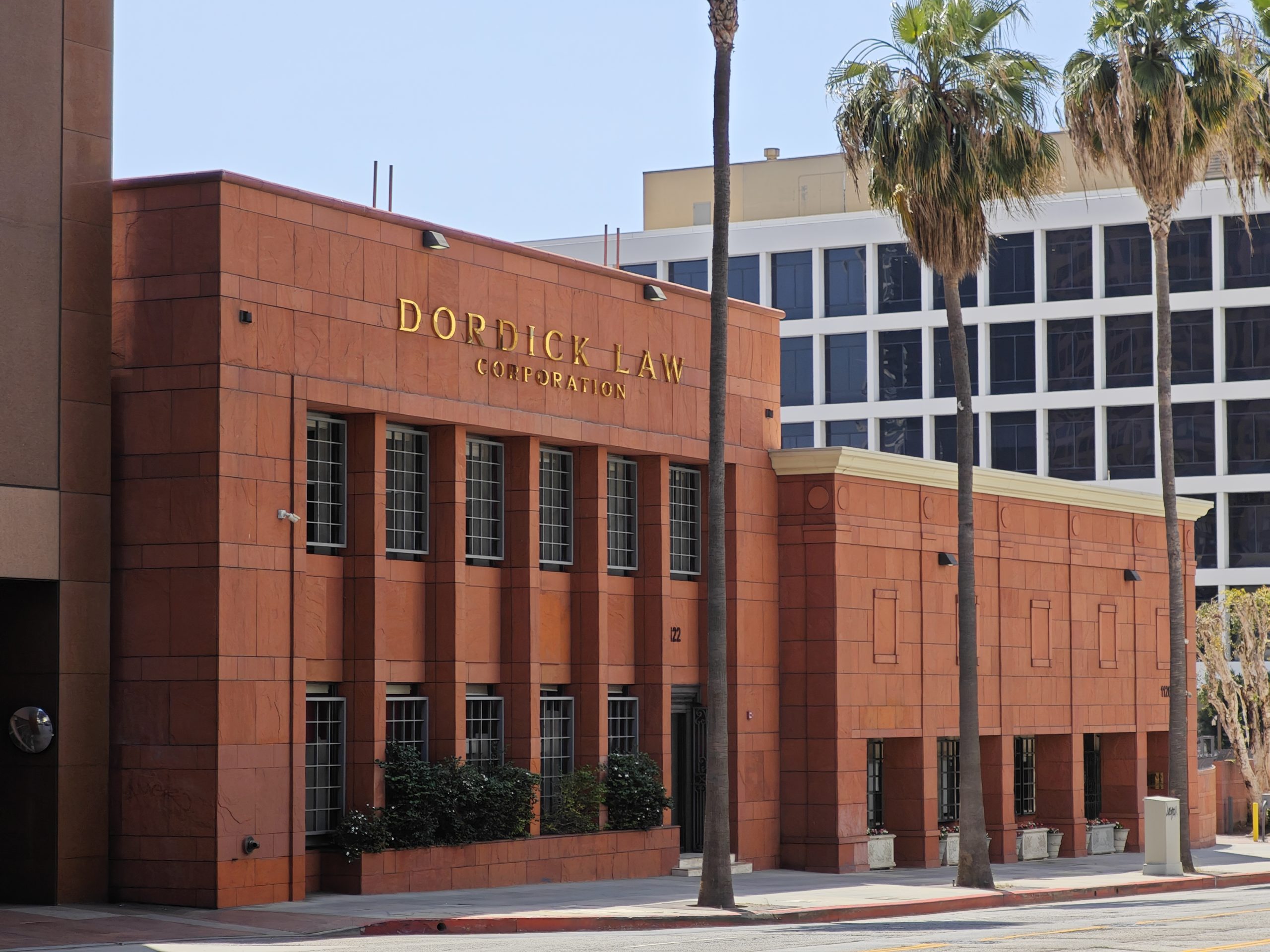
For a local overview, review Los Angeles personal injury information and the firm’s Los Angeles bus accident practice. Dordick Law Corporation can discuss a potential claim during a consultation, but no result is guaranteed.
How Dordick Law Corporation Reviews Bus Accident Claims
Dordick Law Corporation represents people who suffered injuries in personal injury accidents. The legal team can review the crash, identify possible responsible parties, and explain legal options. Potential parties may include a public transit agency, school district, private operator, maintenance contractor, parts maker, or another driver. Each claim depends on evidence, applicable deadlines, and the operator’s legal status.
Dordick Law Corporation offers free, confidential consultations. The firm handles qualifying matters on a contingency fee basis under a written agreement. That agreement explains fees, costs, and payment responsibilities. Clients generally do not pay attorney fees upfront under the applicable agreement. No lawyer can promise a particular outcome.
Review the firm’s Los Angeles personal injury attorneys and published case results. A published LACMTA bus case result illustrates one past matter involving a government-related claim. Past results do not predict the outcome of another matter. For questions about a potential claim, contact the firm.
What to Do at the Accident Scene
Move away from traffic, fire, unstable vehicles, or other hazards if you can do so safely. Call 911 if someone needs emergency care or police should respond. If you cannot move, ask for help and wait for emergency personnel.
Give responders accurate information about what happened. Do not guess about the cause or argue about fault. If your condition allows, record the bus company or agency, bus number, route, direction of travel, location, date, approximate time, driver information, and witness contact details.
If you rode the bus, keep your transit pass, ticket, or ride receipt. And, if you walked, cycled, or drove, note where you traveled and what traffic conditions you observed. These details may help investigators find reports, video, and witnesses later. For related information, review what to do after a personal injury in Los Angeles.
Get Medical Care and Report the Crash
Seek medical care as soon as practical, even if you feel fine. Symptoms from a concussion, neck injury, back injury, or internal trauma may appear later. Tell the medical provider that your symptoms followed the bus crash. Follow the treatment plan and attend recommended follow-up visits. Read the firm’s information about traumatic brain injuries in Los Angeles for related background.
Keep medical records, bills, prescriptions, discharge instructions, and appointment dates. Also record pain, missed work, reduced hours, travel costs, and other crash-related expenses. This information may help document injuries and financial losses.
Report the crash to the bus operator or transit agency as soon as possible. Ask how to obtain the incident report number or a copy of the report. If police respond, ask how to request the police report. Incident and police reports record contemporaneous information, but they do not decide civil liability.
Preserve Evidence After a Bus Crash
If you can do so safely, photograph the scene and surrounding area. Record the bus, other vehicles, damage, roadway, signals, signs, lighting, and visible injuries. If you fell inside the bus, photograph the floor, steps, handrails, seat, or other condition involved. Do not enter traffic or risk injury for a photograph.
Save damaged clothing, personal property, and other items connected to the crash. Ask witnesses to preserve their own photos and videos. An operator may hold onboard video, dispatch records, vehicle data, maintenance records, or driver records. Retention depends on the operator, record type, technology, contract, and policy.
A written preservation request can identify records that may matter. It does not guarantee record availability or prove liability. A lawyer can assess the appropriate recipient and legal procedure for your situation. Keep copies of all requests and responses. A bus claim may involve different parties and deadlines, so do not assume that a car-accident rule applies.
Protect Your Bus Accident Claim
Give accurate information to emergency responders and medical providers. Before you give a recorded statement, sign a release, or accept a settlement, consider legal advice. Review each document before signing it. A release or settlement may limit later claims, depending on its language.
Keep copies of letters, emails, claim forms, and insurer requests. Avoid posting accident details or opinions about fault on social media. Those posts may affect how others view the claim. Contact the firm if an insurer asks for a recorded statement or broad medical release.
Liability in a Los Angeles Bus Accident
Several parties may share responsibility for a Los Angeles bus accident. Potentially responsible parties include the bus driver, public agency, school district, private operator, maintenance contractor, parts maker, another driver, or roadway entity. Each claim requires evidence that supports a legal theory.
California Civil Code section 2100 applies to a carrier of persons for reward. It requires the carrier to use “utmost care and diligence” for passenger safety. The rule may apply to qualifying bus carriers and their passengers. It does not automatically govern claims by pedestrians, cyclists, or other vehicle occupants. The service and facts determine the legal classification. Read the official common carrier statute.
California follows pure comparative negligence. A court generally reduces damages according to the claimant’s share of fault. California does not use a 50-percent bar. Other liability rules may apply to a particular claim. The California Supreme Court’s decision in Li v. Yellow Cab Co. discusses comparative negligence.
California Deadlines for Bus Accident Claims
Deadlines depend on the operator, claim type, and facts. If a public entity operates the bus, the Government Claims Act may apply. Government Code section 911.2 generally requires a claim for personal injury, death, or damage to personal property to be presented no later than six months after accrual. Claimants must present the claim through the statutory process. Accrual does not always occur on the crash date. Review the official Government Code deadline.
Reporting a crash to an agency does not necessarily satisfy that process. The claimant must identify the correct entity, recipient, and presentation method. A private personal injury action generally follows the two-year period in Code of Civil Procedure section 335.1. The official personal injury limitations statute states the general period for specified injury and wrongful death actions.
Different rules may apply to minors, legal disabilities, wrongful death claims, delayed discovery, medical malpractice, or federal actors. Federal law may require a written administrative claim within two years and may then require a lawsuit within six months after a final denial. Public entity claims can have separate lawsuit deadlines after rejection. Do not rely on general time periods. Ask a lawyer to review your facts promptly.
Frequently Asked Questions About Los Angeles Bus Accidents
What should I do immediately after a bus accident?
Prioritize safety, call 911 when needed, and seek medical care. Report the crash to the appropriate authorities and bus operator. Save bus, driver, witness, location, and injury information. Do not guess about fault or sign an insurance release before reviewing it.
What if I feel fine after the accident?
Seek medical advice because some injuries cause delayed symptoms. A medical evaluation can identify concerns and record your condition after the crash. Follow-up care matters if symptoms develop later.
How long do I have to bring a bus accident claim?
The answer depends on the operator, claim type, and facts. A public entity claim may require presentation within six months after accrual. A private action may use two years under Code of Civil Procedure section 335.1. Exceptions can change these deadlines. Contact the firm promptly for a fact-specific discussion.
Can I bring a claim as a pedestrian or cyclist?
Possibly. The answer depends on the driver’s conduct, other evidence, and applicable law. The common carrier rule may not govern a pedestrian’s or cyclist’s claim. Other duties and defenses may control the result. A lawyer can assess the facts and possible claims.
What records should I keep after a bus crash?
Keep medical records, bills, prescriptions, photographs, damaged property, transit records, and correspondence. Record missed work, travel costs, symptoms, and appointment dates. Save witness contact information and copies of insurance communications.
Contact Dordick Law Corporation About Your Bus Accident
If a bus crash injured you or a loved one in Los Angeles, Dordick Law Corporation can review the incident, available records, possible responsible parties, and next steps during a free, confidential consultation. Qualifying matters may use a contingency fee arrangement under a written agreement.
Call (310) 551-0949 to discuss your situation. This article provides general information, does not create an attorney-client relationship, and does not promise a result in any case.
Related Posts
- What to Do After a Hit-and-Run in Los Angeles
- What to Do After a Delivery Truck Accident in Los Angeles
- Handling Concussions and TBI in the Legal Arena