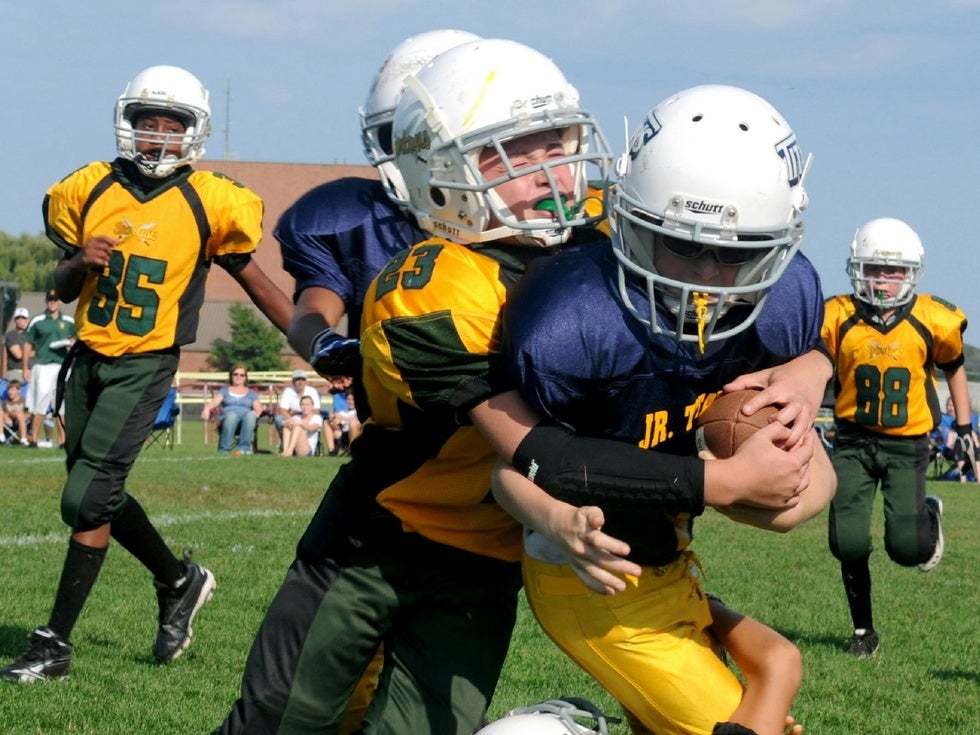
September 20th is National Concussion Awareness Day, a day dedicated to increasing concussion awareness nationally and to show support for those suffering from the consequences of this brain injury. Concussions are a type of traumatic brain injury (TBI) that have garnered significant attention in recent years due to their prevalence not only in sports, but from trauma to the head from falls, automobile collisions and physical altercations. The major concern is the potential for long-term effects. A concussion occurs when a blow or jolt to the head causes the brain to move rapidly within the skull, leading to disruptions in brain function, sometimes short-term and sometimes for extended periods or even permanent damage. While some people suffer a loss of consciousness at the time of the trauma, it is not required to be characterized as a TBI.
Causes and Mechanisms
Concussions typically result from impacts or sudden movements that cause the brain to collide with the inner walls of the skull. The primary mechanism behind a concussion involves rotational forces or direct impact to the head that disrupts the brain’s normal function, leading to a cascade of biochemical and physiological responses. This disruption can cause a range of symptoms, which vary in severity and duration.
Symptoms and Diagnosis
The symptoms of a concussion can be classified into physical, cognitive, and emotional categories. Physical symptoms include headaches, dizziness, nausea, vertigo, ringing in the ears, hearing loss, headaches and migraines, speech difficulty, fatigue, sleep disruption, blurred vision, and sensitivity to light or noise, among others. Cognitive symptoms may involve confusion, difficulty concentrating, difficulty in understanding and completing sentences, and memory impairment. Emotional symptoms can range from irritability to mood swings, personality changes, loss of enjoyment of life, and depression.
Diagnosis of a concussion is primarily clinical and relies on a thorough history and physical examination. There is no definitive test such as an X-ray or MRI that can diagnose a concussion; although, these imaging techniques may be used to rule out more severe brain injuries. Head trauma resulting in a trip to the emergency room will likely have the patient undergo a CT scan of the head to see if there is any bleeding of the brain. Specialized imaging techniques performed during a brain MRI known as DTI assist physicians in determining if there was shearing of microscopic axons, causing the neurons to which they were attached to die and no longer transmit information to other neurons and other parts of the body. Unfortunately, axons do not regenerate. This can have a cascade effect in the brain resulting in the various symptoms mentioned above that are sometimes permanent.
Healthcare providers often use tools like the Glasgow Coma Scale to assess the level of awareness, or the Sport Concussion Assessment Tool (SCAT) to assess the severity and impact of a sports injury.
After a single concussion, many of these symptoms are temporary. However, people who have had multiple concussions may develop chronic traumatic encephalopathy. This condition is marked by more severe and chronic problems, including behavior and personality changes, depression, cognitive decline, and early onset of dementia.
Management and Recovery
The management of a concussion focuses on physical and cognitive rest to allow the brain time to heal. This involves a temporary reduction in activities that require intense concentration or physical exertion. Patients are advised to avoid activities that could lead to a second concussion during the recovery period, as a second impact can exacerbate symptoms and increase the risk of long-term damage.
Gradual return-to-play protocols are critical for athletes who experience concussions. These protocols typically involve a stepwise approach, starting with light physical activity and progressively increasing intensity while monitoring symptoms. Return-to-play decisions should be guided by healthcare professionals, and athletes should only resume full activity once they are symptom-free and have received medical clearance.
Prevention and Education
Preventing concussions involves both proactive and reactive measures. In sports, this includes the use of appropriate protective equipment, such as helmets and mouthguards, and adhering to safety guidelines to minimize the risk of head injuries. Education plays a crucial role in preventing concussions; athletes, coaches, and parents should be informed about the signs and symptoms of concussions, as well as the importance of reporting and managing suspected injuries promptly.
Furthermore, creating environments that prioritize safety and encourage the immediate reporting of injuries can significantly reduce the incidence and impact of concussions. Schools and sports organizations should implement policies and procedures to ensure that individuals who sustain head injuries receive appropriate care and are not prematurely returned to play.
Concussions are a significant health concern due to their potential to affect brain function and overall well-being. Understanding the causes, recognizing the symptoms, and adhering to appropriate management strategies are essential for mitigating the impact of concussions. Prevention through education and the use of protective measures can further reduce the risk of these injuries. As research continues to evolve, ongoing awareness and proactive measures will be vital in addressing the challenges associated with concussions and promoting safer practices in activities that pose a risk of head injury.
Handling Concussions/TBI in the Legal Arena
Our office sees many clients that have suffered from more severe TBI symptoms and post-concussion syndrome with symptomatology that has become chronic (typically lasting more than 6 months). Because these symptoms create a significant alteration to one’s life and lifestyle, we seek to obtain the appropriate compensation for our client’s losses and the changes in their lives, which often results in either a significant diminishment in physical and recreational activities or having them eliminated from their life’s activities altogether.
At Dordick Law Corporation, our team has extensive knowledge and experience dealing with cases involving concussions, TBI and post-concussion syndrome, and recovering fair and appropriate damages to compensate for the adverse consequences.
Our highly qualified lawyers and team are available for consultations to discuss this topic in more detail.