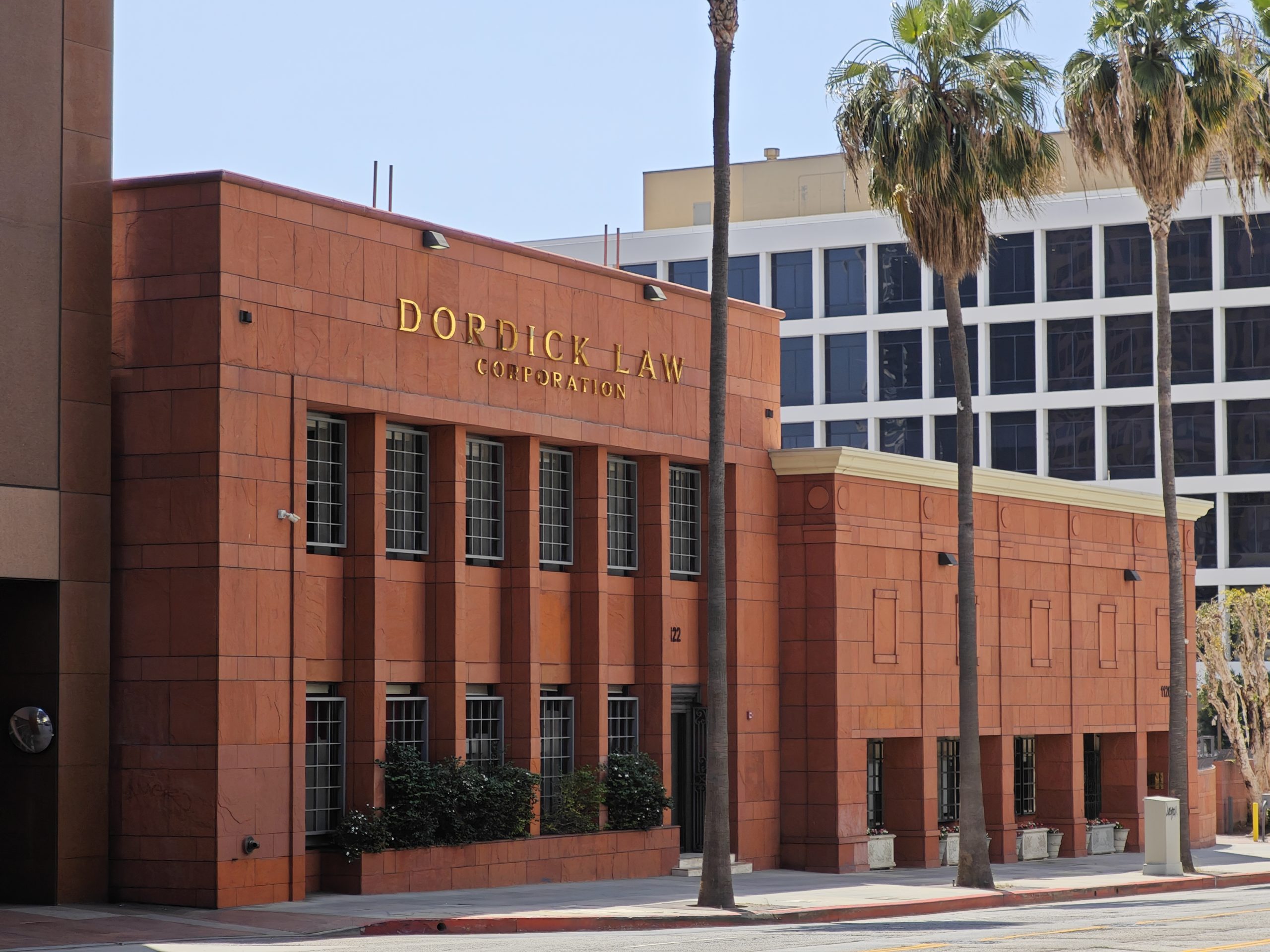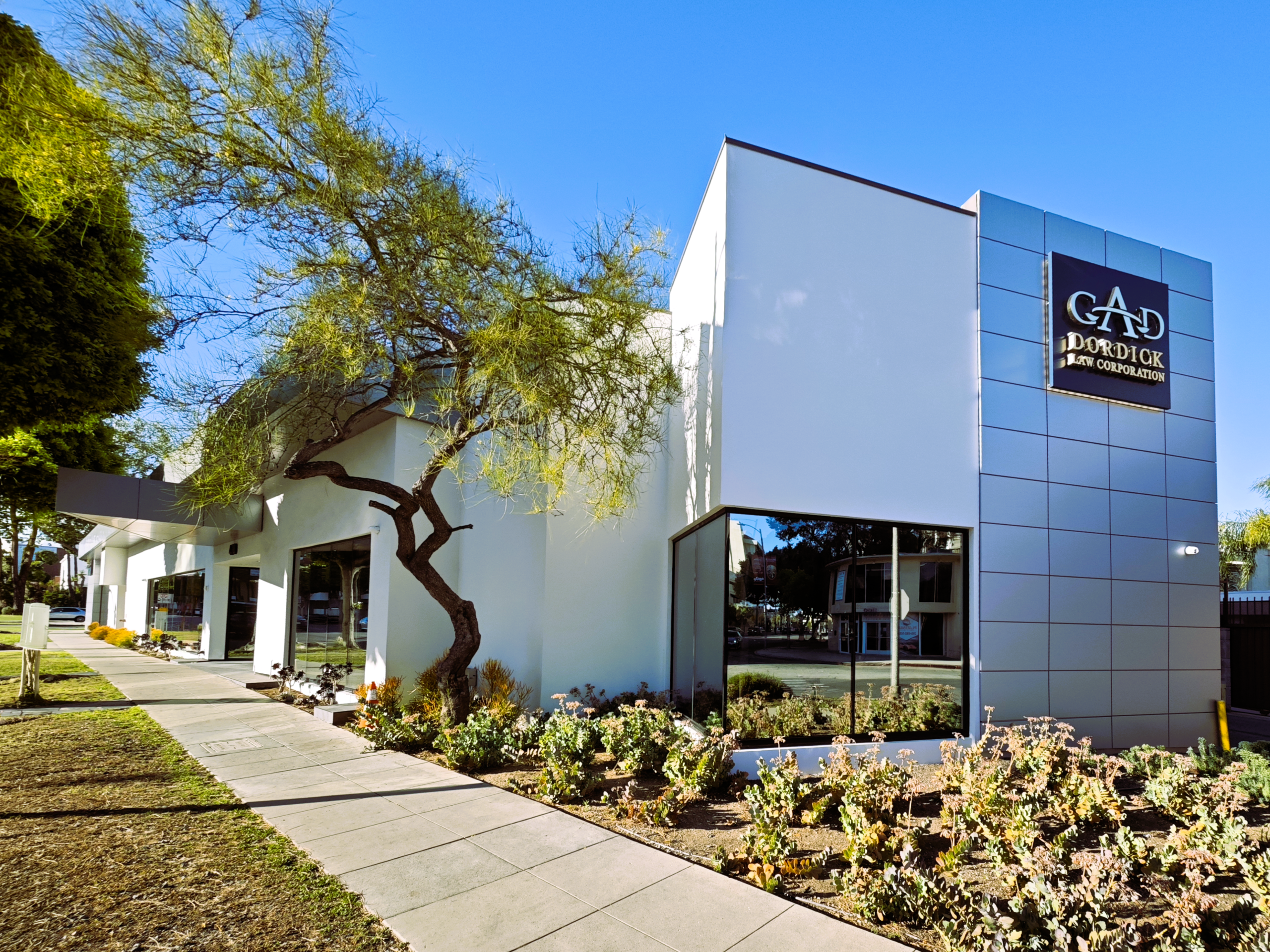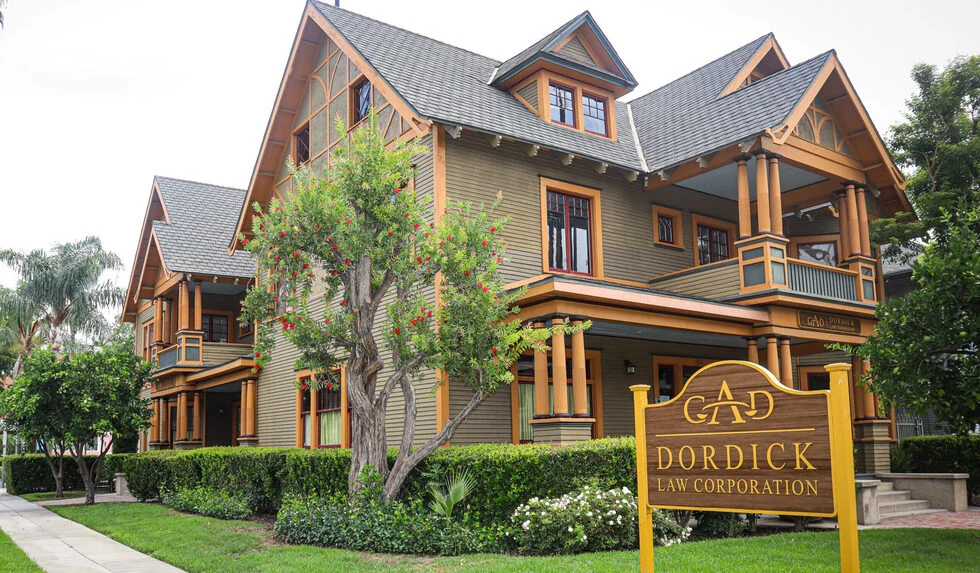
If you’ve been terminated from your job, you may wonder whether your employer acted unlawfully. In California, employment is generally “at-will,” meaning employers can terminate employees for almost any reason. However, California law provides significant protections that prevent employers from firing workers for illegal reasons. When an employer violates these protections, you may have grounds to pursue a wrongful termination claim. Dordick Law Corporation represents employees throughout Beverly Hills and Los Angeles County who have experienced unlawful termination. Our legal team understands California employment law and works to help you recover the compensation you deserve.
Why Choose Dordick Law Corporation for Your Case
Dordick Law Corporation brings extensive experience handling wrongful termination cases throughout Beverly Hills and Los Angeles County. Our attorneys understand the employment landscape in Beverly Hills, where many clients work in entertainment, professional services, and executive positions. We recognize the unique challenges these professionals face when terminated unlawfully.
We represent clients on a contingency fee basis, meaning you pay no upfront costs, and we only recover a fee if we secure compensation for you through a settlement or a trial verdict. This arrangement aligns our interests with yours—we succeed when you succeed. Our Southern California employment law team has recovered millions for wrongfully terminated employees.
Our approach emphasizes personalized legal strategy. We recognize that each wrongful termination case presents unique facts and circumstances. Rather than applying a one-size-fits-all approach, we develop strategies tailored to your specific situation, employer, and evidence. We’ve successfully handled cases involving workplace discrimination, sexual harassment, and retaliation claims.
We provide a free initial consultation to evaluate your case. During this consultation, we listen to your account of events, review relevant documents, and explain your legal options. This consultation helps you understand whether you have a viable claim and what steps to take next. Contact us today to schedule your free consultation.
Understanding Wrongful Termination in California
California’s at-will employment doctrine allows employers to terminate employees without cause and without advance notice. However, this rule contains critical exceptions. Employers cannot fire employees for reasons that violate public policy, breach an employment contract, or violate state and federal anti-discrimination laws.
Wrongful termination occurs when an employer terminates an employee for an illegal reason. These reasons include discrimination based on protected characteristics, retaliation for protected activities, violation of public policy, or breach of an implied contract. California law protects employees through the Fair Employment and Housing Act (FEHA), whistleblower protections under California Labor Code Section 1102.5, and common law wrongful termination claims. Understanding when termination crosses the line from legal to unlawful is essential for employees considering legal action.
The distinction between lawful and unlawful termination often determines whether you have a viable claim. An employer might claim performance issues or business restructuring as the reason for termination. However, if the actual motivation involves discrimination or retaliation, the termination becomes wrongful. Proving the true motivation requires careful investigation and evidence gathering. Our attorneys handle this process with precision.
Grounds for Wrongful Termination Claims
California law recognizes several categories of wrongful termination. Understanding these grounds helps you determine whether your situation warrants legal action.
Discrimination represents one of the most common bases for wrongful termination claims. California law prohibits employers from terminating employees based on race, color, religion, sex, national origin, ancestry, age (40 and older), disability, genetic information, medical condition, marital status, military or veteran status, sexual orientation, gender identity, gender expression, or reproductive health decision-making. Discrimination can be direct—an employer explicitly states the discriminatory reason. Alternatively, discrimination can be indirect, where the employer provides a pretextual reason while the true motivation involves a protected characteristic. The California Civil Rights Department (CRD) enforces these protections.
Retaliation occurs when an employer terminates an employee for engaging in protected activities. These activities include:
- Reporting workplace discrimination or harassment
- Complaining about unsafe working conditions
- Requesting reasonable accommodations for disabilities
- Taking protected leave under the Family and Medical Leave Act (FMLA) or California Family Rights Act (CFRA)
- Participating in EEOC or California Civil Rights Department (CRD) investigations
- Serving on jury duty
- Voting
- Refusing to participate in illegal activities
Violation of Public Policy provides another ground for wrongful termination. Employers cannot fire employees for exercising legal rights or refusing to violate the law. Examples include terminating an employee for refusing to commit fraud, reporting violations to government agencies, or taking time off for jury duty or voting.
Breach of Implied Contract may also support a wrongful termination claim. If an employer’s conduct or statements create an implied promise of continued employment or specific termination procedures, firing an employee in violation of that promise can constitute wrongful termination.
Proving your claim requires demonstrating that the stated reason for termination was pretextual—a cover for the actual illegal motivation. Our attorneys investigate thoroughly, gathering evidence such as emails, performance reviews, witness statements, and comparative treatment of other employees to establish the true reason for your termination.
Damages and Compensation Available
If you prevail in a wrongful termination claim, California law provides several forms of compensation. Our case results demonstrate the substantial recoveries we’ve secured for clients. We’ve recovered 4.5 million in a wrongful termination settlement and numerous other significant awards.
Back Pay represents wages and benefits you would have earned from the termination date through the date of judgment or settlement. This includes salary, bonuses, health insurance, and retirement contributions.
Front Pay compensates you for future lost earnings if reinstatement is impractical. Courts calculate front pay based on your remaining work-life expectancy and earning capacity.
Emotional Distress, and Pain and Suffering damages compensate you for the psychological harm caused by the wrongful termination. These damages recognize the stress, anxiety, and emotional trauma resulting from losing your job unlawfully.
Punitive Damages may be available in cases involving particularly egregious conduct by the employer. These damages punish the employer and deter similar conduct in the future.
Attorney Fees and Court Costs are recoverable in many wrongful termination cases, particularly those involving discrimination or retaliation. This means the employer pays your legal fees if you win.
Interest accrues on all damages from the date the employer violated your rights until judgment or settlement.
The total compensation in wrongful termination cases varies significantly based on factors including your salary, length of employment, severity of emotional distress, and the employer’s conduct. Some cases settle for modest amounts, while others result in substantial recoveries.
The Wrongful Termination Process
Understanding the process helps you prepare for what lies ahead.
Initial Consultation and Case Evaluation begin the process. We meet with you, discuss the circumstances of your termination, review relevant documents, and assess the strength of your claim. We explain the legal standards, potential outcomes, and next steps. Our Beverly Hills office is conveniently located for local consultations.
Investigation and Evidence Gathering follow. Our team collects emails, performance reviews, personnel files, witness statements, and other evidence supporting your claim. We may interview former colleagues and supervisors to establish how the employer treated you compared to similarly situated employees.
Administrative Complaints may be necessary before filing a civil lawsuit. If your claim involves discrimination or retaliation, you typically must file a complaint with the California Civil Rights Department (CRD) or the federal Equal Employment Opportunity Commission (EEOC). These agencies investigate your complaint and may attempt to resolve the matter through conciliation.
Settlement Negotiations often occur after investigation and administrative processes. Many cases settle before trial, allowing you to recover compensation without the uncertainty and expense of litigation. We negotiate aggressively on your behalf to secure the best possible settlement.
Trial Preparation becomes necessary if settlement negotiations fail. We prepare your case for trial, including witness preparation, evidence organization, and legal argument development. We represent you throughout the trial, presenting evidence and arguments to the judge or jury.
Frequently Asked Questions
What is the statute of limitations for wrongful termination in California?
For discrimination and retaliation claims under California law, you must file an administrative complaint with the California Civil Rights Department (CRD) within three years of the unlawful conduct. This three-year deadline applies to California FEHA claims as of January 1, 2020 (Assembly Bill 9).
If your employer is also covered by federal law (Title VII, ADA, ADEA), you may also file with the federal Equal Employment Opportunity Commission (EEOC). The federal EEOC deadline is 180-300 days depending on whether you are in a deferral state. Filing within 300 days preserves both federal and state law rights; filing after 300 days but within 3 years preserves only state law claims.
California’s three-year deadline is significantly longer and more favorable to plaintiffs than federal deadlines.
For breach of contract claims, the statute of limitations is typically four years. For defamation claims, it is one year. Missing these deadlines can bar your claim, so prompt action is essential.
Do I need to file an administrative complaint before suing?
For discrimination and retaliation claims, yes. You must exhaust administrative remedies by filing a complaint with the DFEH or EEOC before filing a civil lawsuit. The agency investigates and issues a “right to sue” letter, which allows you to proceed with litigation. For other wrongful termination claims, administrative complaints may not be required, though they can sometimes be beneficial.
How much does it cost to hire a wrongful termination attorney?
Dordick Law Corporation represents clients on a contingency fee basis. You pay no upfront costs, no hourly fees, and no expenses unless we recover compensation for you. Our fee is a percentage of the recovery, with the specific percentage determined based on the complexity of your case and the stage at which resolution occurs. This arrangement ensures you can pursue your claim without financial risk.
What evidence do I need to prove wrongful termination?
Strong evidence includes emails or messages showing discriminatory intent or retaliatory motivation, performance reviews contradicting the stated reason for termination, witness testimony about the employer’s statements or conduct, evidence that similarly situated employees were treated more favorably, and documentation of your protected activity (such as FMLA requests or discrimination complaints). Our investigation identifies and organizes this evidence to build a compelling case.
Can I be fired for reporting safety violations?
No. California law prohibits employers from retaliating against employees who report unsafe working conditions to the employer, OSHA, or other government agencies. If your employer terminated you for reporting safety violations, you likely have a retaliation claim. We can help you pursue compensation for this unlawful conduct.
What if my employer claims I was fired for performance issues?
Employers often cite performance problems as the stated reason for termination, while the actual motivation involves discrimination or retaliation. We investigate whether the performance justification is pretextual. We examine whether the employer applied performance standards consistently, whether you received warnings before termination, and whether similarly situated employees with similar performance issues were retained. Evidence of pretext strengthens your claim significantly.
How long does a wrongful termination case take?
The timeline varies. Administrative complaints typically take several months to a year. Settlement negotiations may occur within months or take longer, depending on the parties’ positions. If litigation becomes necessary, cases typically take 1-3 years from filing to trial, though some resolve sooner through summary judgment or settlement. We work efficiently to resolve your case while ensuring thorough investigation and preparation.
Don’t Wait—Take Action Today
Wrongful termination can devastate your career and financial stability. The longer you wait, the more evidence may disappear and the closer you move toward missing critical deadlines. California’s statute of limitations for wrongful termination claims ranges from two to three years, depending on the legal basis of your claim, though administrative processes and investigations take months.
If you believe your employer terminated you unlawfully, contact Dordick Law Corporation today. Our attorneys will review your situation at no cost and explain your legal options. We work on contingency, so you pay nothing unless we recover your compensation. Visit our Beverly Hills office or contact us online to get started.
Your job loss was not your fault. Let our experienced legal team fight for the compensation you deserve. Call (310) 736-2866 or contact us online to schedule your free consultation with a wrongful termination attorney in Beverly Hills.